JUSTICE WATCH GA
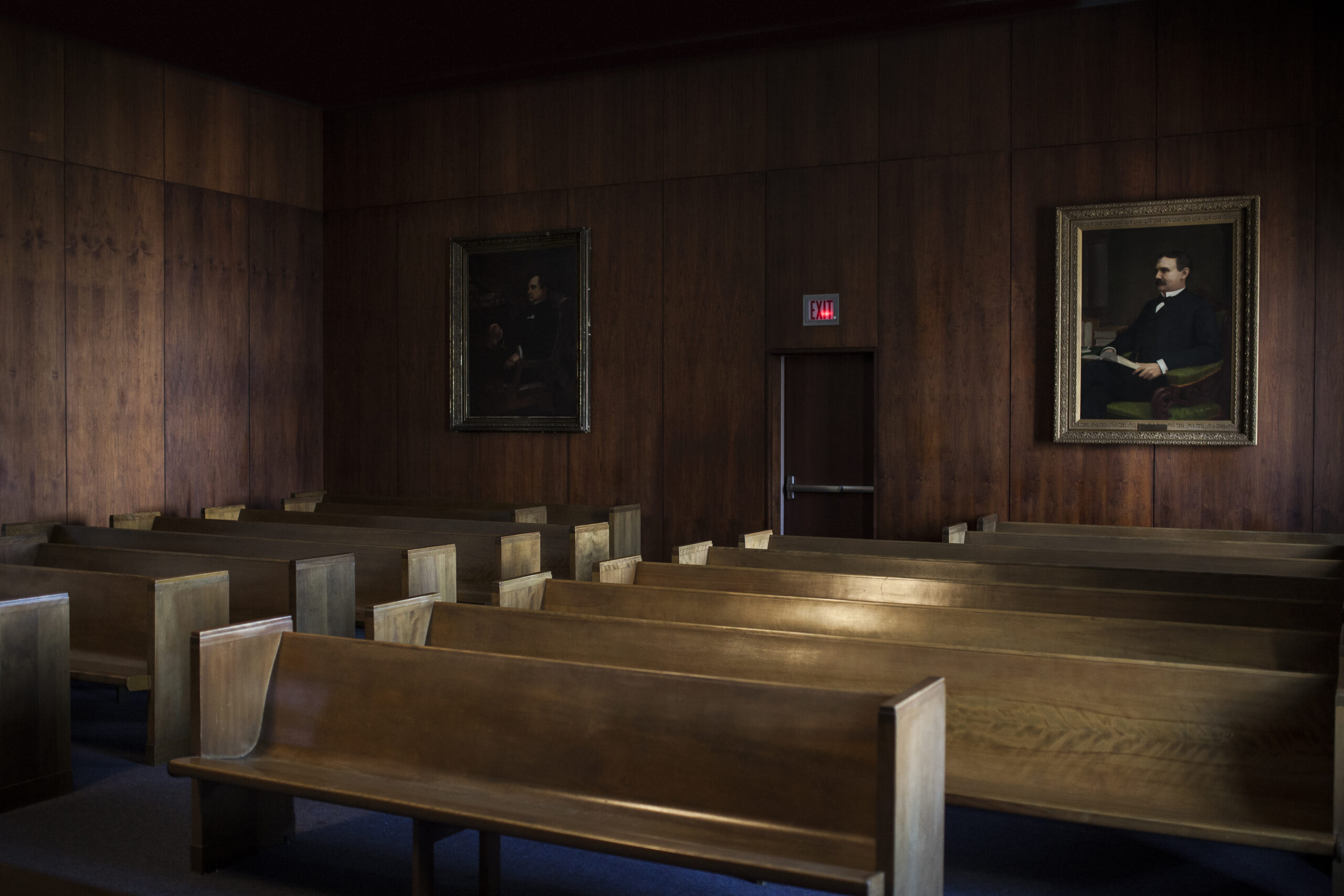
Spurred by the deaths of dozens of individuals detained at the Fulton County Jail while awaiting resolution of criminal allegations, Justice Watch Georgia exists to build a collective understanding within the Fulton County community through court-watching.
With often conflicting narratives around crime, court efficiency, and public safety shaping policy efforts in Atlanta and across Fulton County, Justice Watch equips volunteers with the tools to understand court proceedings, engage in informed discussions, and explore justice through a lens not rooted in punishment.
Justice Watch does not cherry-pick cases for observation or focus solely on indicted cases closest to adjudication. Instead, we bring participants to preliminary hearings, where the diversity of allegations and proceedings most clearly reflect who is in court—and why. Insights gathered by participants, paired with concurrent case data analysis, will inform policy recommendations related to local arrest, diversion, and incarceration practices. Our ultimate goal is to advocate for a system that truly promotes both humanity and public safety, and commits resources to solutions that reflect those values.
While the concept of court-watching—and even court-watching programs—is not new to Fulton County, Justice Watch Georgia is the first project of its kind. Programs designed by agencies within the system have often focused on specific cases and operated with the intent of pressuring elected judges to issue harsh sentences or bond decisions. In contrast, Justice Watch Georgia centers on recognizing the humanity of individuals accused within the system and on educating community members who want to better understand the criminal legal system.
Pillars of Justice Watch
Justice Watch Georgia operates on three foundational principles: Humanity, Integrity and Community.
- Humanity: We believe in the humanity of all people. A person is not defined by the worst thing they’ve ever done, but is often a product of failed systems, natural supports, and inadequate medical or psychological care.
- Integrity: We believe the judicial system should lead with integrity—always upholding ethical standards and doing what is right, regardless of circumstance. The system should also be willing to acknowledge its mistakes and take responsibility by correcting its behavior.
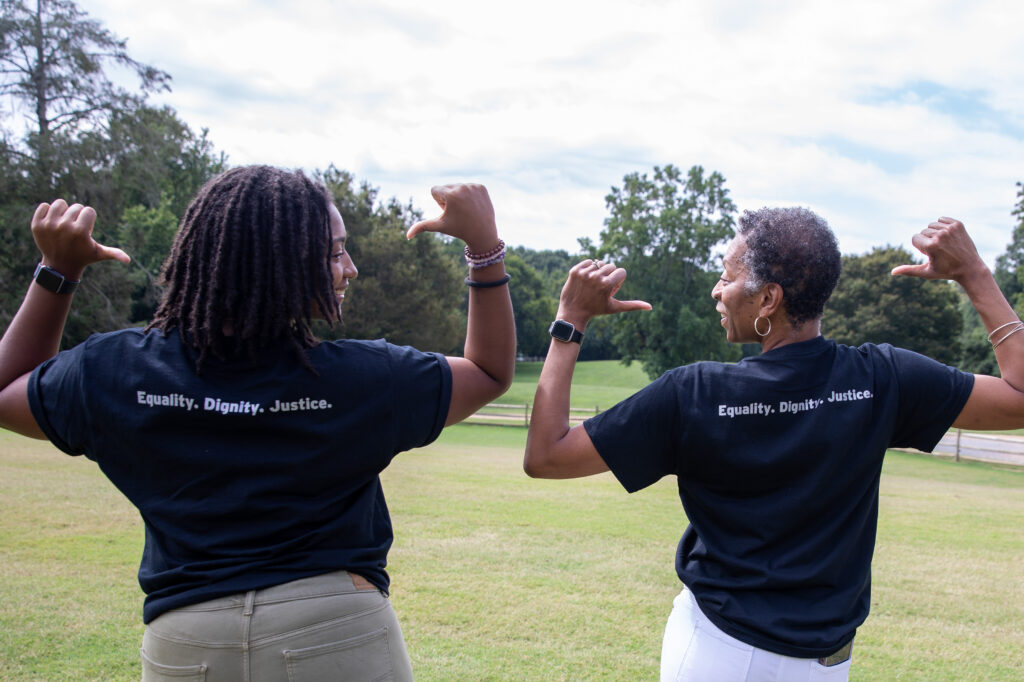
- Community: We believe in the power of community. Those closest to the problems are the most qualified to create solutions. When communities are heard and resourced, they can collaborate to meet the needs of their people and drive meaningful change.